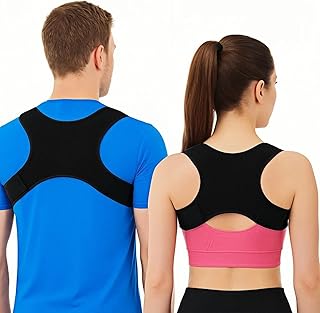
In today's digital age, where many of us spend hours hunched over computers and smartphones, poor posture has become a widespread issue. This can lead to a cascade of problems, including chronic neck, shoulder, and back pain, reduced lung capacity, and even headaches. Fortunately, a simple and effective tool has gained popularity for addressing these concerns: the Posture Corrector. These devices are designed to gently remind your body of its proper alignment, offering support and relief while you work, exercise, or go about your day.
What is a Posture Corrector and How Does It Work?
A posture corrector is a supportive garment, typically worn around the upper back and shoulders. Its primary function isn't to force your body into position but to provide tactile feedback. When you start to slouch or hunch forward, the brace creates a gentle pull or pressure, reminding you to sit or stand up straight. Over time, this consistent feedback can help retrain your muscles and nervous system to maintain better posture naturally, even when you're not wearing the device. For a deeper dive into the mechanics and benefits, check out this comprehensive Posture Corrector Guide.
Key Benefits of Using a Posture Support Brace
The advantages of incorporating a posture brace into your routine extend far beyond simply standing taller. Regular use can lead to significant pain relief by reducing strain on overworked muscles in the neck, shoulders, and upper back. By opening up the chest and aligning the spine, these devices can improve breathing and circulation. They are also instrumental in hunchback correction and providing support for conditions like mild scoliosis or kyphosis. Ultimately, good posture contributes to increased energy levels, better digestion, and a more confident appearance.
Types and Features to Look For
Not all posture correctors are created equal. Understanding the different types and features is crucial for finding the right fit for your body and lifestyle.
Adjustability and Comfort
An adjustable posture brace is essential for a customized fit. Look for models with multiple adjustment points on the shoulders and torso to ensure it's snug but not restrictive. Comfort is paramount for consistent wear, so features like breathable mesh panels, padded straps, and lightweight materials are highly desirable. The HLOES Posture Corrector, for example, is praised for its breathable design and adjustable support, making it a comfortable choice for extended use.
Targeted Support and Design
Some braces focus on the upper back and shoulders, ideal for desk workers combating slouching. Others, often called full back brace support systems, extend to the lumbar region for comprehensive spinal alignment. For those concerned with discretion, invisible posture aid designs like the Fit Geno Posture Corrector Invisilite are made from thin, skin-toned materials that hide easily under clothing.
Top Posture Corrector Recommendations
With numerous options on the market, here are a few highly-rated models that cater to different needs:
For Comprehensive, Breathable Support: The Back Brace Posture Corrector with Upgraded Breathable Full Back Support offers extensive coverage from the shoulders to the lower back. Its mesh design promotes airflow, making it suitable for all-day wear and active individuals.
For Discreet, Lightweight Wear: The Vaunn® Back Correction Belt is marketed as an invisible under-clothes solution. It's adjustable and lightweight, focusing on the upper back to correct hunchback and slouching without adding bulk.
For FSA/HSA Eligibility: If you have a Flexible Spending Account (FSA) or Health Savings Account (HSA), the Kepwaa Posture Corrector is designed to be eligible for purchase with these funds, making it a cost-effective health investment. You can read a detailed analysis in the Kepwaa Posture Corrector Review.
For Targeted Upper Back and Clavicle Support: The KNXWALT Posture Corrector features a breathable mesh design and is noted for providing relief for neck, shoulder, and upper back pain while aiding in hunchback correction. Discover more in the KNXWALT Posture Corrector Review.
How to Use a Posture Corrector Effectively
To get the most benefit, start by wearing your back support brace for short periods, perhaps 30-60 minutes a day, and gradually increase the duration as your muscles adapt. It should be worn during activities where you tend to slouch the most, like working at a desk, driving, or watching TV. Remember, the device is an aid, not a cure. Combine its use with strengthening exercises for your core, back, and shoulder muscles, and be mindful of your posture throughout the day. For a complete usage guide, refer to the Posture Corrector Guide on Benefits and Usage.
Choosing the Right One for You
Selecting the best posture corrector depends on your specific needs. Consider the primary area of pain (neck, upper back, lower back), your desired level of discretion, and the adjustability for a perfect fit. Reading verified customer reviews and detailed product analyses, such as the Fit Geno Posture Corrector Review or the WNIEYO Posture Corrector Review, can provide invaluable real-world insights. For a broader comparison, the Ultimate Guide to Posture Correctors is an excellent resource.
Investing in a quality posture corrector can be a transformative step towards better health & wellness. By providing gentle, consistent support, these devices help break the cycle of poor posture and pain, allowing you to move through your day with greater comfort and confidence.